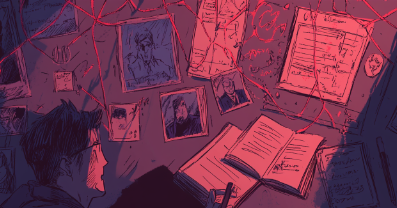
Using Red Herrings and Plot Twists in Your MysteryAct
Creating an engaging and unforgettable MysteryAct relies heavily on the careful use of red herrings and plot twists. These elements keep players on their toes, deepen the mystery, and ensure that the story remains unpredictable. Here’s how you can effectively incorporate red herrings and plot twists into your MysteryAct to captivate your players.
What are Red Herrings and Plot Twists?
Red Herrings are clues or pieces of information designed to mislead players, diverting their attention from the actual solution. They add complexity to the plot, making the mystery more challenging and engaging.
Plot Twists are unexpected changes in the storyline that subvert players’ expectations. These surprises can significantly alter the direction of the story, keeping players intrigued and invested.
The Importance of Red Herrings and Plot Twists
- Enhance Engagement: Red herrings and plot twists keep players actively engaged, constantly reassessing their assumptions and theories.
- Add Depth: These elements add layers to the narrative, making the story richer and more intricate.
- Maintain Suspense: By keeping players guessing, you maintain suspense and ensure that the mystery remains compelling.
Crafting Effective Red Herrings
- Subtlety is Key: Red herrings should be believable and seamlessly integrated into the story. They should not be too obvious or outlandish, as this can break immersion. For example, introduce a suspicious character with a plausible motive but no actual involvement in the crime. Their actions and background should be detailed enough to make them a credible suspect.
- Layer Your Clues: Combine red herrings with genuine clues to create a web of information. This complexity forces players to discern which clues are meaningful. Scatter various pieces of evidence around a crime scene, some of which point to false leads. Players must sift through these to find the real clues.
- Use Character Behaviour: Characters can act suspiciously for reasons unrelated to the central mystery. This behaviour can serve as a red herring. For instance, a character might lie about their whereabouts to hide a personal secret, not because they are involved in the crime.
Designing Memorable Plot Twists
- Build Up Gradually: A good plot twist should be surprising yet plausible. Build up to it with subtle hints and foreshadowing. For example, a trusted ally is revealed to be the mastermind behind the crime. Throughout the story, small inconsistencies in their behaviour hinted at this revelation.
- Subvert Expectations: Use players’ assumptions against them. Introduce twists that challenge their understanding of the story. What seemed like a straightforward murder case is revealed to be part of a larger conspiracy involving multiple characters.
- Maintain Consistency: Ensure that your plot twists do not contradict established facts. They should enhance the story, not confuse players. A plot twist revealing a hidden identity should align with the character’s actions and dialogue throughout the story.
Balancing Red Herrings and Plot Twists
- Pace Your Revelations: Space out red herrings and plot twists to maintain a steady flow of suspense and surprise. Introduce a red herring early in the story, followed by a major plot twist at the midpoint, and another red herring towards the climax.
- Keep it Fair: While red herrings should mislead, they shouldn’t frustrate players. Provide enough genuine clues to allow for logical deduction. Balance misleading clues with clear hints that guide players towards the truth, ensuring they feel challenged but not deceived.
- Test Your Story: Playtest your MysteryAct with different groups to see how they respond to the red herrings and plot twists. Adjust based on their feedback. If multiple playtesters find a red herring too obvious or a plot twist unconvincing, refine these elements for better integration.
Conclusion
Red herrings and plot twists are powerful tools in the arsenal of any MysteryAct creator. When used effectively, they can elevate your story, keeping players engaged, challenged, and thoroughly entertained. By crafting subtle red herrings, designing memorable plot twists, and balancing these elements throughout your narrative, you can create a MysteryAct that players will remember and talk about long after the game ends.
Happy writing, and may your mysteries be ever intriguing!