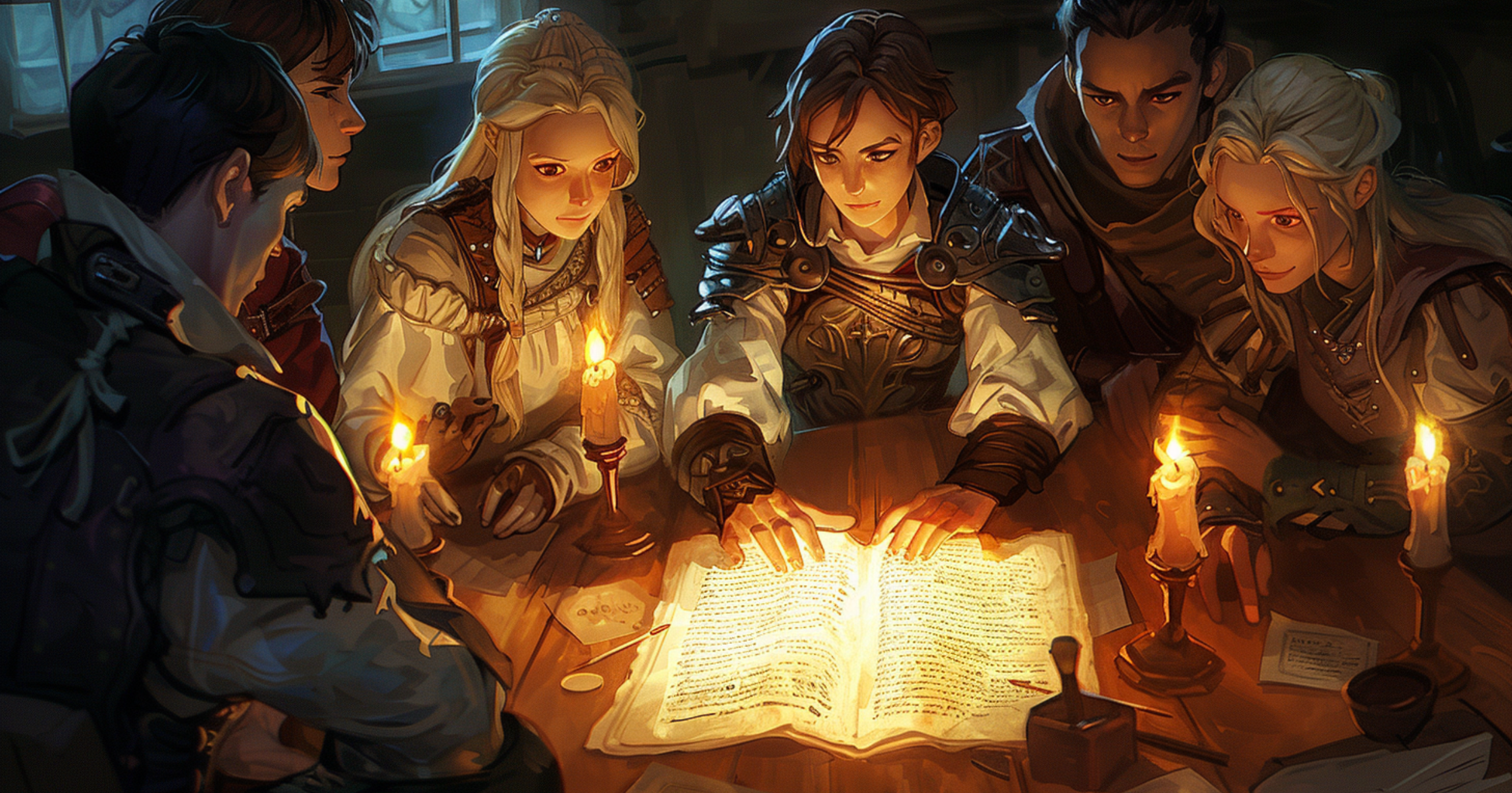
Can I Play Jubensha Without Acting Skills?
Ever sat around a table with friends, eager to jump into a murder mystery game, only to worry that you’ll have to deliver Oscar-worthy performances? If you’ve heard of Jubensha (or “MysteryAct”), you might wonder: do you need acting skills to play and enjoy the game? Maybe the stage isn’t your happy place, and you’re worried about “getting into character.” Let’s break it down and see what actually makes Jubensha so much fun and whether acting talent is really required.
What Is Jubensha, Anyway?
Jubensha, sometimes called "murder mystery script" or "MysteryAct," is a social deduction game from China. Players are assigned roles and stories, unfolding mysteries together by reading a narrative, making decisions, and uncovering clues. Think Clue, but with richer storytelling, character backstories, and sometimes even side quests.
At first glance, the game might sound intimidating: follow a script to act out a part in a murder mystery, commonly known as jubensha, solve a mystery, and keep your own secrets. Some versions even encourage dressing up or adopting an accent.
Here’s where people might get nervous: “I’m not an actor!” Let’s see if this holds you back.
Playing Without an Acting Background
Good news: acting skill is not a prerequisite for having a blast with Jubensha. At its core, the game is about solving puzzles, making deductions, reading between the lines, and social interaction.
Some reasons why you don’t need to channel Meryl Streep to play:
● The script does most of the heavy lifting. You’ll get your character’s motivations, alibi, and background.
● The goal is teamwork, not performance. While some people might show off their drama chops, most just play as themselves — with a dash of pretend.
● Every group sets their own vibe. If your friends don’t want to engage in role-playing, it becomes more of a storytelling roleplay puzzle. If someone does, they can ham it up (with zero judgement).
● There are many ways to contribute. You can focus on piecing together clues, asking clever questions, or supporting quieter players.
What Do You Actually Need?
Here are some qualities that will help you fit right in:
|
Skill/Quality |
Helpful For |
Is it Essential? |
|
Logic & deduction |
Piecing together evidence and finding the culprit |
Nice to have |
|
Listening |
Understanding others’ stories and clues |
Pretty useful |
|
Social confidence |
Interacting and sharing theories |
Helps, not required |
|
Acting (improvisation) |
Playing in character / adding drama |
Totally optional |
|
Willingness to have fun |
Enjoying the atmosphere |
Absolutely |
So while acting is handy for those who want to push the party to the next level, it doesn’t gatekeep anyone from solving the mystery.
What Happens If You’re Shy?
A good host or moderator will notice if someone’s quieter and make sure everyone is included. Character sheets or scripts can be tailored for roleplay, much like in a jubensha setting — some roles are more dramatic, some more in-the-background.
If you’d rather just read your lines and contribute to the solution, that’s entirely normal! Think of it like Dungeons & Dragons: there are boisterous bards and there are stroll-in-the-background clerics. Both play a part, and everyone shapes the fun.
True story: Our team at Anzir has seen game groups with all sorts of dynamics. Some are rowdy, some almost whisper through the story. The game adapts to you.
Making the Most of the Experience
If you want to dip a toe in the drama, here are some gentle ways to join in without feeling like you’re on stage:
● Read your script aloud, but at your own pace.
● React with your own feelings, rather than “becoming” your character.
● Wear a fun hat or prop if dressing up feels silly.
● Ask others what they think your character would do in a situation.
● Focus on detective work: spot contradictions, holes, or odd clues.
Often, once the mystery heats up, you’ll forget you were nervous—everyone’s drawn into the puzzle and story more than the performance aspect.
Do You Miss Out on Anything by Not Acting?
Not at all. The heart of Jubensha is the challenge: can you find out who did it, what their motive was, and how the pieces fit together? As a bonus, dramatic types can flex their acting skills, but the solution is what everyone will remember.
Different groups find different rhythms. Some prefer to “lean in” with accents and suspenseful drama, while others have inside jokes and lots of laughter. Both are valid.
Ways to Play: Matching Your Style
Let’s break down some typical groups and their game styles in a murder mystery setting:
|
Group Type |
Common Vibe |
Typical Player Reaction |
|
Super Dramatic |
Full costumes, accents, drama |
“I’m living my best life as the villain!” |
|
Puzzle Solvers |
Focused on clues and logic |
“Wait, what’s the timeline again?” |
|
Party Legends |
Lots of laughter and jokes |
“Who cares who did it? Pass the snacks!” |
|
Mixed Bag |
Some act, some don’t |
“Join in however you like, mate.” |
Our advice? Find a group that feels comfortable, or be the one to set the relaxed tone for newbies.
Trying Jubensha Online with Anzir
Digital platforms make it even easier for introverted folks to enjoy role-playing, especially in the immersive world of roleplay jubensha. On Anzir, for instance, you don’t need to put on a show — you join a game, choose a script, read your character’s background, and contribute via chat or voice, depending on what you’re comfortable with. You can hide behind your webcam or avatar if you’d like!
And creators can upload games of all genres and difficulties, which means there’s everything from gentle mysteries to full-on Hollywood capers. There’s no one-size-fits-all, and definitely no rule that says you have to act if you don’t want to.
Tips for New or Nervous Players
A few tricks can help you warm up to the idea of playing, even if you’re worried about sticking to the script or the acting part:
● Arrive early: Get familiar with the game and your character.
● Ask questions: Clarify parts of the story or your role if you’re unsure.
● Team up: Pair up with someone who’s played before, and piggyback off their energy.
● Set group expectations: Let the host or group know you prefer a lighter role.
● Remember, it’s a game: The goal is to enjoy yourself, not win an award.
If things feel a bit much in your jubensha game, just focus on having a laugh and being part of the story.
The Spectrum of Play
Every game is a little different. One table might have everyone silently scanning notes, while another is howling with laughter over melodramatic declarations. Where does the best fun happen? When everyone feels welcomed to play to their comfort level.
And as a bonus, you might be surprised: those who start quietly sometimes get the biggest applause at the end for their sneaky plot-twist reveal.
Embracing What Makes Jubensha Special
Without putting pressure on acting, you open mystery games to friends, family, or colleagues who otherwise might never join in. It’s these different personalities—think logic lovers, thoughtful listeners, and cheerful sideliners—that turn every game into a one-of-a-kind experience.
Whenever we introduce new players on Anzir, we’re always reminded: the only thing you truly need to play Jubensha is curiosity, as the narrative unfolds uniquely based on each player's contribution. No stage presence required.