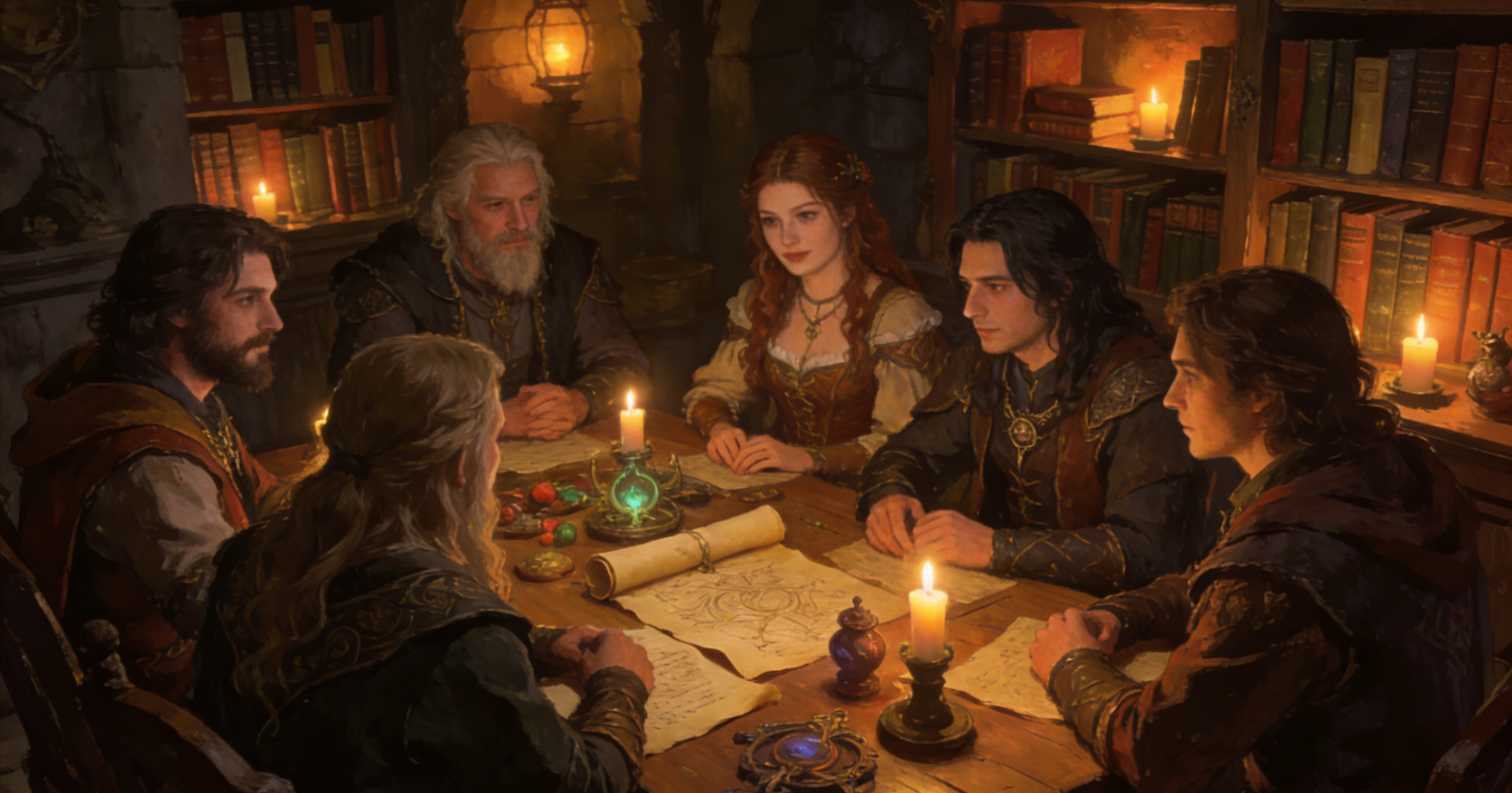
Why Group Size Changes Everything
Activities that work well for two or three people often break down as the group grows.
With five to seven participants, common challenges include:
- Uneven participation
- Side conversations forming
- A few people leading while others disengage
These issues are rarely about personality.
They are usually about how the activity is structured.
Common Activity Options — and Their Limits
Passive Experiences
Examples include movies, performances, or exhibitions.
- Easy to organize
- Minimal coordination required
- Limited interaction during the experience
For groups of five to seven, these activities often result in people spending time together without actually interacting.
Task-Driven Activities
Examples include escape rooms, sports, or competitive challenges.
- Clear objectives
- High energy
- Strong focus on problem-solving
With larger groups, these formats often favor faster or louder participants, while others take on supporting roles.
Rule-Based Social Games
Examples include board games or card games.
- Familiar structure
- Defined turns
- Clear rules
For five to seven players, engagement depends heavily on everyone’s familiarity and enthusiasm for the ruleset.
A Different Structure: Narrative-Based Group Experiences
There is another category of group activity that becomes especially relevant at this group size.
These experiences are designed around:
- Characters rather than scores
- Ongoing conversation rather than turns
- Relationships rather than mechanics
Every participant remains active throughout the session, and interaction is continuous rather than intermittent.
Jubensha as an Example
One well-known example of this structure is Jubensha, a narrative-based social experience that originated in China and has grown rapidly in popularity.
In a Jubensha session, participants each take on a character within a shared story. Through guided interaction, discussion, and role-play, the group uncovers information and advances the narrative together. Sessions typically last several hours and are structured to keep all participants involved.
Because the experience centers on conversation and character relationships, groups of five to seven people tend to fit the format particularly well.
In English-language contexts, this type of experience is sometimes referred to as Jubensha, a term Anzir uses when explaining Jubensha to audiences unfamiliar with the original name.
How This Format Differs from Familiar Options
From a structural perspective:
- Unlike escape rooms, the emphasis is not on physical space or time pressure
- Unlike board games, participation does not depend on turn order
- Unlike passive entertainment, interaction is the core activity
The experience progresses through dialogue, decisions, and evolving relationships within the group.
When This Kind of Activity Works Best
Based on our observations at Anzir, narrative-based group experiences tend to be most suitable when:
- The group includes five to seven people
- Everyone is expected to participate, not observe
- The goal is shared engagement rather than quick amusement
They are often chosen for friend gatherings, small celebrations, and social meetups where conversation and involvement matter.
Making the Choice: What to Do and Where to Go
When deciding on an activity for a group of this size, it can help to ask:
- Does the activity keep everyone involved at the same time?
- Is interaction encouraged by the structure itself?
- Will the experience create a shared reference afterward?
Different answers naturally point to different types of activities.
Understanding these differences makes choosing what to do — and where to go — a clearer and more intentional decision.
Closing Note from Anzir
There is no universal solution for every group.
But when five to seven people want an experience built around participation, conversation, and shared presence, formats centered on narrative and interaction offer a distinct alternative.