
Choosing a Shared Tabletop Activity for Friends and Family
Compare the time, reading, interaction and preparation a shared tabletop activity needs, and decide whether a story-led Jubensha suits your group.
Written by AnzirUpdated
In this article
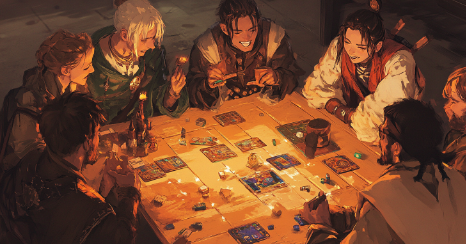
Start a game night with the people taking part. A group may want a short competitive game, a cooperative challenge or a longer story built around characters. Those preferences are more useful than choosing a game because it is described as new or popular.
Compare the commitment
Check player count, reading language, duration, rules and setup. Consider whether the group wants repeated rounds or one complete story. Confirm age suitability and content guidance for the particular work; no format suits every participant.
Decide how people want to interact
Some tabletop activities focus on turns and tactics. A Jubensha usually asks participants to read prepared character material and experience the story through conversation and interaction. Mystery, comedy, emotion and strategy can appear in different combinations.
Prepare together
Agree on a date, a suitable space and the full time commitment. Check hosting, devices and any props the work requires. Discuss preferences in advance so the organiser can select an experience the group actually wants.
Explore a story-led option
Anzir introduces Jubensha and interactive games, with App tools for supported experiences and a separate browser-based Anzir Play platform. It is not a general catalogue of physical board games. Choose a shared activity for enjoyment and participation, without treating it as a guaranteed mental-health benefit.
Read the Jubensha introduction, explore available works, and check what paperless play involves.